Dark Black 3D Editable Text: A Practical Guide for Modern Creators
Typography is the backbone of visual communication, and when it steps into three dimensions, it demands attention. Dark black 3D editable text has emerged as a versatile asset for designers, marketers, and content creators who need impact without sacrificing flexibility. Unlike static graphics, editable text retains its type layer properties, allowing quick changes to wording, font, size, or color. When rendered in deep black with realistic shading, it conveys authority, depth, and a premium feel that works across digital and print media.
Whether you are building a landing page, designing a social media template, or preparing a pitch deck, understanding how to effectively use dark black 3D editable text can streamline your workflow and elevate your visuals. This article explores what it is, why it matters now, and how you can apply it with practical, grounded insights.
What Is Dark Black 3D Editable Text and Why Does It Matter?
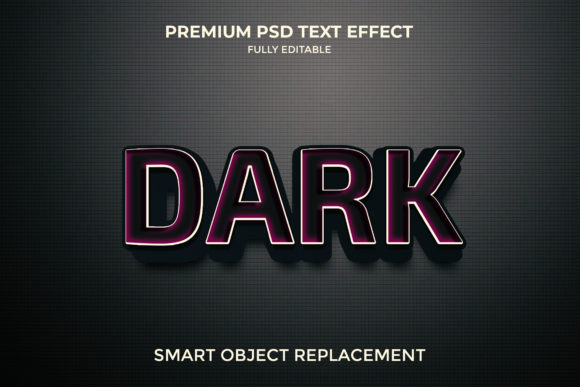
Dark black 3D editable text refers to typography created with a three-dimensional appearance—typically using bevel, extrude, or shadow effects—while the text layer remains fully editable. The color is a near-pure black or rich dark tone, often with subtle highlights or gradients to simulate depth. The "editable" aspect means the text is not rasterized; it remains as a vector or smart object within software such as Adobe Photoshop, Illustrator, or Figma, or implemented via CSS in web design.
The relevance of this technique has grown as audiences become more visually literate. Flat design dominated for years, but a resurgence of layered, dimensional typography now appears in hero sections, video thumbnails, and brand identities. Dark black offers a neutral yet striking base that pairs well with bright colors, gradients, or photographic backgrounds. For professionals who need to iterate quickly—changing a headline for an A/B test or localizing a campaign—editability saves hours and preserves design integrity.
Moreover, the rise of editable design assets in marketplaces like Envato, Creative Market, and UI8 reflects a broader shift: creators want to customize without starting from scratch. Dark black 3D editable text fits this demand, providing a ready-made effect that can be adapted in seconds.
The Shift Toward Editable Design Assets in Modern Workflows
Design workflows are moving away from one-off, static files toward flexible, reusable systems. Editable dark black 3D typography aligns with this trend. Instead of exporting a PNG of a 3D headline, designers now keep text layers alive inside layered documents. This allows for rapid changes: updating a campaign tagline, switching from light to dark mode, or scaling the text for different platforms.
For entrepreneurs and small business owners, this means you can hire a designer once and then make future edits yourself. For marketers, it facilitates faster iteration on ads and landing pages. Even freelance creators benefit from maintaining a library of editable 3D text styles that can be applied to multiple projects without redoing the effect. The dark black variant is particularly popular because it works across many contexts—tech brands, luxury goods, nightlife events, and minimalist portfolios.
Current web technologies also support editable 3D text. With CSS text-shadow and transform properties, developers can create dark black 3D effects that remain editable in the browser’s live environment. This reduces dependency on image assets and improves page load speed, accessibility, and responsiveness—key factors for SEO and user experience.
How Dark Black 3D Text Enhances Modern User Interfaces
User interfaces today must balance clarity with memorability. Dark black 3D editable text can serve as a powerful visual anchor when used judiciously. Consider a hero banner for a SaaS product: a bold, extruded headline in deep black sits over an abstract gradient background, immediately drawing the eye. Because the text is editable, the marketing team can test different calls to action without involving a designer each time.
In mobile apps, dark black 3D typography appears in splash screens, promotional pop-ups, and gamified reward notifications. The depth creates a tactile illusion that invites interaction. However, care must be taken to ensure readability on small screens. Using a moderate extrude depth and avoiding overly complex bevels keeps the text legible. The dark black color ensures contrast against lighter backgrounds, but on dark mode interfaces, a subtle outline or glow may be needed to separate the text from the background.
Web designers also use dark black 3D text for call-to-action buttons inside image sliders or video overlays. Because the text remains editable, A/B testing becomes simple: change the button copy, update the shadow angles, and publish. This agility is increasingly expected by business stakeholders who want data-driven design decisions.
Practical Use Cases for Professionals and Creatives
The applications of dark black 3D editable text are broad, but a few scenarios stand out where it delivers measurable value.
- Social media graphics: Thumbnails for YouTube, Instagram Reels, or TikTok videos often feature bold 3D headlines. Dark black text against a vibrant or high-key background creates instant contrast. Because the text is editable, you can reuse the same template for multiple videos, just swapping the title.
- E-learning and course design: Educators and course creators use dark black 3D text for module titles, quiz headers, and certificates. The professional look builds trust, and editability allows updating course names without rebuilding the graphic.
- Pitch decks and presentations: A dark black 3D title slide can set a serious, innovative tone. Entrepreneurs who tweak their value proposition frequently benefit from editable text layers in PowerPoint, Keynote, or Google Slides (using vector images or embedded smart objects).
- Brand logos and wordmarks: Some brands adopt 3D typography as part of their visual identity. Dark black remains neutral enough to sit alongside colorful branding elements. Editable source files (e.g., an Illustrator file with live type) let the brand adapt the logo for different mediums while preserving the 3D effect parameters.
For hobbyists and curious readers, experimenting with dark black 3D editable text can be a fun way to learn design software. Many online tutorials walk through creating the effect in Photoshop using Layer Styles (Bevel & Emboss, Drop Shadow, Gradient Overlay) while keeping the text layer intact. Just a few adjustable parameters—depth, size, soften, angle—can produce distinctly different looks.
Techniques and Tools for Creating Dark Black 3D Editable Text
Creating dark black 3D editable text does not require advanced 3D modeling skills. The most accessible method is using 2D design software with layer effects. In Adobe Photoshop, start with a dark gray or black text (pure black can appear flat, so a slight dark gray like #1a1a1a often works better). Apply Bevel & Emboss with a raised contour, then add a Gradient Overlay from dark gray to near-black, and finally a Drop Shadow with distance and spread. To keep the text editable, do not rasterize the layer; save as a PSD or TIFF with layers.
In Adobe Illustrator, use the Extrude & Bevel effect under 3D and Materials. The text remains editable as long as you keep the effect applied. For dark black, set the surface to a matte or plastic shading with low highlight intensity. The result is a clean, vector-based 3D text that scales infinitely and works for print.
For web developers, CSS offers a lightweight solution. Combine text-shadow in multiple layers to simulate depth: two or three shadows offset downward and right, each slightly darker, plus a subtle blur. Adding a transform: perspective() rotateX() can create a pseudo-3D angle. Example:
text-shadow: 1px 1px 0 #000, 2px 2px 0 #111, 3px 3px 0 #222, 4px 4px 2px #000;
This keeps the text fully editable in HTML and responsive across devices. For more advanced web 3D, libraries like Three.js allow extruded text geometries, but editability requires updating the text mesh dynamically—more complex but possible for interactive experiences.
Recommending a best practice: always test your dark black 3D text on the intended background. A subtle light rim or glow (via inner shadow or outer glow) can prevent the text from blending into dark backgrounds. On light backgrounds, ensure the shadow layers have enough opacity (around 70–80%) to create perceived depth without muddying the text.
Why Black? The Psychology and Visual Impact
Black typography carries strong associations: authority, elegance, mystery, and sophistication. When given a 3D treatment, these qualities are amplified. Dark black 3D editable text can convey seriousness (in law or finance branding) or edgy modernity (in music or fashion). For professionals, using black rather than a color ensures the 3D effect remains the focal point, not the hue.
From a practical standpoint, dark black 3D text works well for accessibility because it provides high contrast against white or light backgrounds. However, designers should avoid pure #000000 as it can cause visual vibration on digital screens. A rich dark charcoal like #1c1c1c maintains the black perception while being easier on the eyes and allowing room for subtle highlights.
In marketing, dark black 3D headlines often appear in "hero shots" for products—think luxury watches, premium software, or high-end cosmetics. The depth suggests quality and attention to detail. For content creators, using such text in thumbnails can increase click-through rates because the dimensional text pops against the gaming or tech aesthetic. The key is restraint: one strong 3D element per composition, supported by clean layout and complementary colors.
Common Pitfalls and How to Avoid Them
Even with the right tools, creators can fall into traps that undermine the effectiveness of dark black 3D editable text. Awareness of these mistakes helps you produce cleaner, more professional work.
- Overcomplicating the effect: Too many bevels, shadows, and contour lines can make the text look muddy or illegible. Stick to two or three shadow steps and a single bevel. Clear, simple depth is more readable.
- Poor contrast with background: Dark black 3D text on a dark background can disappear. Always preview on multiple backgrounds. If the background is dark, add a light colored stroke or outer glow (e.g., silver or white) to separate the text.
- Rasterizing the text layer: Once you rasterize, you lose editability. Always duplicate the layer or save a version with live type before merging effects. Use smart objects in Photoshop to preserve both the effect and the ability to swap text.
- Ignoring scalability: What looks good on a 400px-wide social card may look chunky on a 1920px desktop headline. Use vector or resolution-independent methods (CSS, Illustrator, SVG) so the 3D effect scales gracefully.
- File size bloat: High-resolution 3D text renders in Photoshop can create large PSDs if you use many layer styles. Flatten effects when appropriate, but keep an editable master file separate from your final export.
By avoiding these issues, you ensure that your dark black 3D editability remains an asset rather than a liability in your workflow.
The Evolving Landscape of Editable 3D Typography
Looking forward, the line between 2D and 3D typography continues to blur. AI-assisted design tools now offer one-click 3D text effects with editable parameters, making the technique accessible to non-designers. However, the human touch—choosing the right depth, angle, and shading—still matters. Dark black 3D editable text will likely stay relevant because it fulfills a core need: impactful, flexible, and professional typography that doesn't lock you into a static image.
Web technologies like CSS Houdini and WebGPU may soon allow real-time 3D text rendering that is editable directly in the browser’s live view. This would empower content editors to adjust headlines on the fly without involving developers. For businesses, that means faster content updates and reduced production costs. For professionals, it suggests a growing need for understanding both visual design and basic front-end capabilities.
Meanwhile, the demand for dark mode interfaces keeps black-based typography in the spotlight. Dark black 3D editable text that is designed with both light and dark environments in mind will become a standard tool in the modern designer’s kit. The message is clear: invest in text that stays editable, because tomorrow’s requirements will be different from today’s.
Dark black 3D editable text is not a passing trend—it is a practical response to the need for design systems that are both visually compelling and operationally efficient. Whether you are a business owner refreshing a brand, a marketer testing copy, or a designer building templates, mastering this technique adds a reliable, high-impact option to your creative arsenal. Start with simple layers, test on real screens, and keep the text alive.