Mastering Pink Text Effects: A Complete Guide to Style, Meaning, and Application
Color is one of the most powerful tools in visual communication, and pink holds a uniquely compelling place in the palette. When you combine the emotional resonance of pink with thoughtful typography, you unlock a world of pink text effects that can elevate everything from a personal social media post to a global brand identity. This guide explores what pink text effects are, why they matter, and how you can use them effectively in modern design, marketing, and everyday communication.
What Are Pink Text Effects?
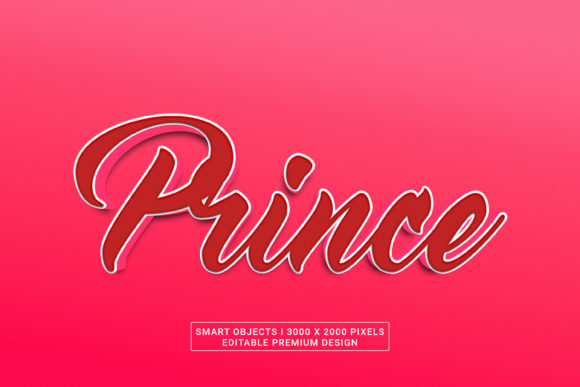
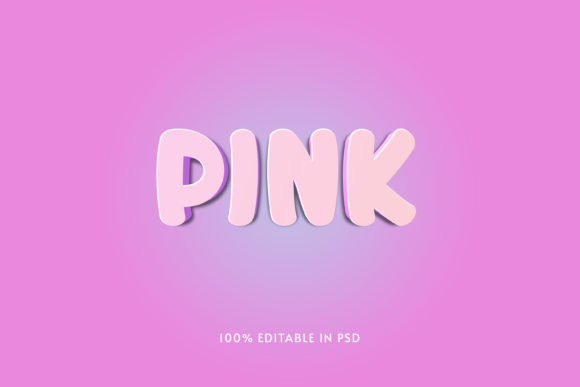
At its simplest, a pink text effect is any visual styling applied to text that uses pink as the primary or accent color. This can range from a flat, bold pink headline to more complex treatments that incorporate gradients, shadows, outlines, glows, textures, or animations. The effect is not just about choosing a color—it is about how that color interacts with the text's shape, background, and surrounding elements to create a specific mood or message.
Pink text effects are widely used in digital and print design, including websites, mobile apps, advertisements, posters, social media graphics, video titles, and packaging. They have become especially prominent in industries such as beauty, fashion, lifestyle, entertainment, and wellness, where pink often conveys warmth, creativity, and approachability.
Why Pink? Understanding the Psychology and Impact
To appreciate pink text effects fully, it helps to understand what pink communicates. Pink is a blend of red's energy and white's purity. Depending on its shade and context, pink can suggest:
- Playfulness and joy – Bright, hot pink often feels energetic and fun.
- Calm and compassion – Soft, pastel pink evokes tenderness and care.
- Confidence and boldness – Deep magenta or fuchsia commands attention without the aggression of pure red.
- Femininity and inclusivity – While traditionally associated with femininity, modern uses of pink increasingly embrace gender-neutral and inclusive design.
When these psychological cues are layered into text through effects like glowing neon pink or a subtle rose gradient, the message becomes more than words—it becomes an experience. This is why pink text effects are especially effective for calls to action, brand taglines, and creative headlines where emotion drives engagement.
Types of Pink Text Effects and How to Use Them
There is no single way to create a pink text effect. The technique you choose depends on your platform, audience, and purpose. Below are some of the most popular and effective approaches.
Flat Pink Typography
The simplest pink text effect is a solid, flat pink color applied to a typeface. This works best when you want clarity and readability, especially on light or neutral backgrounds. Flat pink text is a go-to for body text highlights, subheadings, and minimalist branding. For best results, choose a pink shade that contrasts well with your background—dark pink on white or light pink on dark backgrounds are both highly legible.
Pink Gradient Text
Gradients add depth and movement to text. A pink gradient effect can transition from a light blush to a vivid magenta, or from pink into purple or orange. This effect is popular in social media graphics, app interfaces, and modern web design because it feels dynamic and premium. Tools like CSS for web or gradient generators for design software make it easy to apply. To keep it readable, ensure the gradient does not reduce contrast against the background.
Glow and Neon Pink Text Effects
A glowing pink text effect mimics neon signage. This is achieved by adding a soft or bright pink halo around the letters, often with a darker background. Neon pink text effects convey energy, nightlife, and futuristic vibes. They are frequently used for event posters, music festival branding, gaming interfaces, and YouTube thumbnails. When using a glow effect, avoid over-saturating the glow so that the text remains readable from a distance.
Outlined or Strikethrough Pink Text
Outlined pink text—where only the border of each letter is pink, and the inside is transparent or a different color—creates a modern, airy look. This works well layered over images or vibrant backgrounds. Similarly, a pink strikethrough effect can emphasize contrast or playfulness, especially in editorial design or social media captions.
Textured and Patterned Pink Text
For a more tactile feel, pink text can be filled with textures such as glitter, marble, watercolor, or fabric patterns. These effects are common in beauty product packaging, wedding invitations, and lifestyle blogs. They add richness and personality, but should be used sparingly to avoid overwhelming the message.
Animated Pink Text
In digital spaces, pink text effects can include animation—pulsing, shimmering, sliding, or fading. An animated pink glow, for example, can draw the eye to a limited-time offer or a key announcement. Animation works best when it is subtle and purposeful, enhancing rather than distracting from the content.
Practical Applications Across Industries
Pink text effects are far more than a design trend—they are a strategic tool. Here is how different fields use them effectively.
Branding and Marketing
Brands use pink text effects to stand out in crowded markets. A pink gradient headline on a landing page can increase click-through rates by evoking curiosity and warmth. In email marketing, pink call-to-action buttons with a soft glow often outperform neutral colors, especially for lifestyle and beauty brands.
Social Media and Content Creation
On platforms like Instagram, TikTok, and Pinterest, pink text overlays on images or videos help create a cohesive aesthetic. Influencers and creators use pink text effects to reinforce their personal brand, whether through pastel pink quotes or bold neon pink captions. The key is consistency—using the same pink shade across posts builds visual recognition.
Web Design and User Interface
In web design, pink text effects are used for primary headings, navigation highlights, and error messages (where pink can soften the negativity). A well-placed pink text effect can guide users' attention without feeling aggressive. Many modern e-commerce sites use pink text for sale banners or limited-stock alerts because it feels urgent yet friendly.
Education and E-Learning
Even in education, pink text effects have a place. Color-coding key terms in pink within a lesson slide or e-book can improve retention and engagement. Pink highlights or callout boxes can draw attention to important definitions, examples, or warnings, making learning materials more visually accessible.
Event and Entertainment Design
From concert posters to gaming overlays, pink text effects create excitement. A glowing pink title for a music festival lineup or a pink outlined date on a movie poster signals fun and creativity. In gaming, pink text effects are often used for health points, special items, or character names in user interfaces.
Common Misunderstandings About Pink Text Effects
Despite their popularity, there are several myths about pink text effects that can lead to misuse.
- Myth: Pink text is only for female audiences. While pink has historical gender associations, modern design embraces pink for all audiences. Many tech, sports, and unisex brands successfully use pink text effects to convey innovation and energy.
- Myth: Pink text is always soft and subtle. Pink spans from barely-there blush to electric magenta. The effect depends entirely on shade and styling, not just the color name.
- Myth: Pink text effects are hard to read. Readability depends on contrast, font choice, and background. A well-designed pink text effect with sufficient contrast is just as legible as black or white text.
- Myth: Pink text is a passing trend. Pink has been a staple in design for decades. Its applications evolve, but its emotional resonance and versatility ensure its lasting relevance.
How to Choose the Right Pink Text Effect for Your Project
Selecting the best pink text effect requires balancing aesthetics, function, and context. Here is a simple decision framework:
- Define your goal. Are you trying to attract attention, convey warmth, create excitement, or build trust? Each goal maps to a different pink shade and effect. For trust, use soft, muted pink. For excitement, use bright neon or gradient pink.
- Consider your audience. A younger, trend-focused audience may respond well to bold, animated pink text. A professional or older audience may prefer clean, flat pink typography.
- Test contrast and readability. Always preview your pink text effect on the intended background. Use online contrast checkers to ensure accessibility standards, especially for body text.
- Match the platform. A pink glow effect that looks great on a dark Instagram story might not suit a formal PDF report. Adapt the complexity of your effect to the medium.
- Stay consistent. If you use a specific pink text effect for your brand or personal style, apply it uniformly across all touchpoints. Consistency builds recognition and professionalism.
Tools and Techniques for Creating Pink Text Effects
You do not need to be a professional designer to create stunning pink text effects. Many tools offer easy ways to experiment.
- CSS for web: Use properties like
color,text-shadow,background-clip, andanimationto create pink gradients, glows, and motion effects. Free resources like CSS gradient generators simplify the process. - Design software: Programs like Canva, Adobe Photoshop, and Figma have built-in text effects including gradients, outlines, shadows, and glows. Canva even offers pre-made pink text effect templates for social media.
- Online generators: Websites that specialize in text effects allow you to choose a pink palette, adjust intensity, and download the result as an image or code snippet.
- Mobile apps: Apps like Over, Phonto, and Unfold let you add pink text effects directly to photos and videos, perfect for on-the-go content creation.
Broader Context: Pink Text Effects in Modern Life
Pink text effects are more than a design choice—they reflect how we communicate in a visually saturated world. As attention spans shorten, the need for immediate emotional connection grows. Pink, with its spectrum of meanings, offers a shortcut to feeling. When you pair it with thoughtful typography, you create a moment of recognition, whether it is a brand you trust, a cause you support, or a creative project that expresses your personality.
In business, pink text effects help differentiate products and services in competitive markets. In education, they make information more memorable. In daily life, they allow anyone to add a touch of personality to a message. Understanding how to use pink text effects responsibly and creatively is a skill that serves designers, marketers, educators, and casual users alike.
Final Thoughts
Pink text effects are a versatile, emotionally rich tool in visual communication. From flat typography to animated neon glows, the range of possibilities is vast. The key is to choose effects that align with your message, audience, and context while maintaining readability and accessibility. By understanding both the psychology of pink and the technical aspects of text effects, you can create designs that are not only beautiful but also effective.
Whether you are building a brand, designing a social media post, or simply exploring creative typography, pink text effects offer a powerful way to make your words stand out. Experiment with different shades, styles, and backgrounds. The more you practice, the more instinctively you will know when a soft blush headline or a bold fuchsia glow is exactly what your project needs.