The Flower Pop-Up Card: An Objective Look at Design, Utility, and Lasting Impact
It is easy to overlook the physical mail piece in an era dominated by digital notifications. A well-executed flower pop-up card does not just deliver a message; it delivers an experience. The dimensional nature of the bloom forces a pause, a moment of interaction that a flat print cannot replicate. For professionals and creators evaluating this format, the central question is not simply whether it looks good, but whether the engineering, materials, and design align with their specific strategic goals.
Defining the Core Characteristics of a Flower Pop-Up Card
At its simplest, a flower pop-up card is a piece of paper engineering that creates a three-dimensional form when opened. However, the best examples go far beyond a single folded image. They utilize complex mechanisms such as the V-fold, box fold, or layered bouquet construction to create depth and movement. The purpose is deliberately tactile: to transform the act of reading a card into an event. This makes it fundamentally different from a standard printed greeting. It is a kinetic sculpture that requires participation from the viewer, which in turn creates a more memorable interaction with the sender or brand.
Structural Integrity: Where Quality Becomes Tangible
The most noticeable differentiator between a cheap novelty and a premium product is structural integrity. A flower pop-up card that sags, tears at the folds, or fails to stand at a clean 90-degree angle undermines the entire experience. Several factors determine this:
- Paper Weight and Stiffness: The base stock should ideally be 300gsm or higher. Lightweight paper lacks the rigidity needed to support the dimensional structure. Heavier card stock provides the necessary stability for the pop-up mechanism to function repeatedly.
- Scoring Accuracy: A precise score line is non-negotiable. It allows the paper to fold cleanly and crisply. Poor scoring causes the paper fibers to tear or creates a weak joint that will fail over time. Die-scored lines are vastly superior to hand-scored ones in commercial applications.
- Adhesive Application: The glue tabs must be strategically placed and appropriately sized. Too little adhesive, and the layers separate. Too much, or the wrong type, can warp the paper or create visible residue. Professional-grade double-sided tape or precise liquid glue application is essential.
Material Quality as a Defining Factor
Beyond the paper itself, the choice of finishes and embellishments plays a critical role. Matte finishes tend to look more sophisticated and professional, reducing glare and allowing the shadows of the layered paper to provide the visual contrast. Glossy or textured finishes can add a unique sensory element, but they often complicate the folding and assembly process. For a flower pop-up card intended as a keepsake, acid-free and lignin-free papers are advisable to prevent yellowing over time. This is a particularly relevant consideration for wedding invitations or sympathy cards, where longevity matters deeply to the recipient.
For the Maker and Designer
Whether you are a hobbyist using a cutting machine or a small business owner assembling a batch, the design file is everything. High-quality digital templates provide clear visual instructions, distinct score lines, and well-organized layers. The assembly time for a complex flower pop-up card can range from 20 to 45 minutes. A professional designer can minimize this time by ensuring tabs snap into place easily and layers are numbered logically. Poorly designed files lead to frustration, wasted material, and an inconsistent final product.
For the Sender and Recipient
From a practical standpoint, the card must function reliably. Does it open smoothly without catching? Does it lie flat enough to be written in with a pen? Can it fit into a standard A2 or A7 envelope, or does it require a custom rigid mailer? These logistical details determine whether the card is a joy to send or a burden. For the recipient, the experience of lifting the card and watching the flower rise is the payoff. The design should maintain its shape when displayed, transforming from a sent message into a small piece of desk art.
Visual Versatility and Application Context
The aesthetic range of a flower pop-up card is remarkably broad, which contributes to its wide applicability. You will find designs that mimic realistic botanical illustrations with intricate, multi-layered petals. Others adopt a minimalist, geometric approach that fits a modern or corporate aesthetic. The color palette is equally decisive.
- Bright, Saturated Tones: Best suited for birthdays, celebrations, and vibrant brand activations.
- Pastel or Muted Palettes: Ideal for sympathy, thank-you notes, or high-end hospitality correspondence.
- Monochromatic or Neutral Schemes: Frequently used in luxury marketing and professional networking follow-ups.
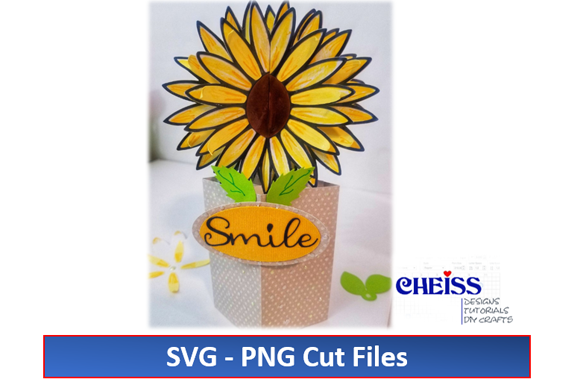
The ability to customize the species of flower—a sunflower for optimism, a lotus for growth, a rose for appreciation—adds a layer of semantic depth that flat imagery struggles to achieve.
Matching the Card to the Right Audience and Purpose
Not every project requires a dimensional paper bloom. However, for specific audiences and goals, the return on investment is significant.
- Professionals and Marketers: In high-tier client relations, the flower pop-up card acts as a dimensional business card or a thank-you gift. It signals that the sender values the relationship enough to invest in a tangible, memorable object. It is particularly effective for real estate agents, financial advisors, and luxury service providers.
- Educators and Publishers: The card serves as a powerful teaching tool for geometry, structural engineering, and design thinking. For publishers, it creates high-engagement content. A tutorial or review of a unique flower pop-up card design generates strong click-through rates and social sharing.
- Serious Hobbyists and Creators: This audience is driven by the challenge of mastering the mechanism. They benefit from advanced kits that require precise assembly and offer a high degree of customization. The finished card represents a genuine skill-based accomplishment and can be sold as a premium product on platforms like Etsy.
- Event Planners and Hoteliers: Using a custom flower pop-up card as a welcome amenity or invitation sets a distinct tone for weddings, retreats, or VIP experiences. It is a physical representation of the care that will be taken during the event itself.
Practical Limitations and Honest Considerations
An objective evaluation requires acknowledging the constraints of this medium. The primary drawbacks are cost, logistics, and complexity.
- Cost: A high-quality, professionally designed flower pop-up card typically retails for $8 to $18. Custom branding, complex art, and short print runs increase this cost significantly. This makes it unsuitable for mass-market, low-cost communication.
- Shipping and Mailing: Most dimensional cards exceed standard letter thickness, requiring extra postage and a rigid envelope. Bulk shipments are heavier and more expensive than flat paper goods. Fragility is a real concern; a card crushed in transit loses all its value.
- Environmental Impact: While paper is renewable, the use of adhesives, synthetic embellishments (glitter, foil), and mixed-material construction can make recycling difficult. Responsible sourcing is an increasing priority for environmentally conscious professionals.
Mitigating these issues involves clear communication with suppliers, selecting sturdy and sustainable materials, and reserving this format for high-value touchpoints where the impact justifies the logistical effort.
Long-Term Value and Effectiveness
One of the strongest arguments for using a flower pop-up card is its longevity. A flat card is typically read and discarded within a week. A dimensional card is often kept. Recipients place them on bookshelves, desks, or mantelpieces. This extended lifespan transforms the initial cost into a cost-per-impression that is remarkably low. The card continues to communicate the sender's thoughtfulness or the brand's quality for months or even years. This staying power is something digital media struggles to achieve.
The decision to use or create a flower pop-up card is ultimately a decision about intention. It requires investment in quality materials, respect for precise engineering, and a clear understanding of the audience. For those willing to meet these requirements, the payoff is a genuine, tangible connection that cuts through the noise of everyday communication. It is not a tool for every job, but for building relationships, celebrating milestones, and demonstrating craftsmanship, it remains one of the most effective formats available.