Watercolor Hand Drawn Boat Illustration: When Art Meets the Water
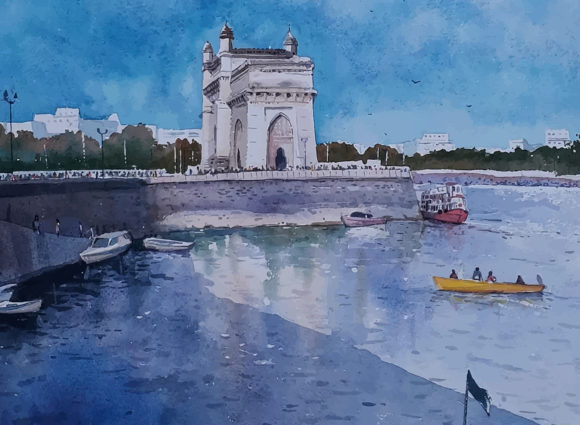
There is something quietly captivating about a watercolor hand drawn boat illustration. It is not just a picture of a vessel. It carries a mood, a sense of place, a memory of water and light. Unlike a crisp digital vector or a stiff photograph, a hand-drawn watercolor boat feels alive. The edges bleed, the colors pool, and the result is an image that seems to breathe. Whether you are a designer, a small business owner, or someone looking for a meaningful visual for your home, this style of illustration offers a warmth that is hard to replicate any other way.
What makes watercolor hand drawn boat illustration different
At its core, a watercolor hand drawn boat illustration combines two elements: the fluid unpredictability of watercolor paint and the intentional stroke of a human hand. The paper grain shows through. The paint settles in ways that cannot be planned. Each brushstroke leaves a trace of the artist’s pressure and speed. That is why two illustrations of the same sailboat, even by the same artist, will never feel identical.
This lack of perfection is exactly its strength. In a world saturated with polished stock imagery, a hand-drawn boat in watercolor feels personal. It suggests that someone sat down, mixed pigments, and painted that specific boat for a reason. That authenticity translates into trust and emotional connection, which is why so many brands, creators, and individuals are drawn to this style.
Coastal hospitality and dining
Imagine a seafood restaurant in a small port town. The menu features a line-caught catch of the day, and the walls are painted a soft off-white. A watercolor hand drawn boat illustration on the menu cover or the wall art sets the tone immediately. It tells customers they are in a place that values craft and local character, not a chain with generic decor. The same illustration could appear on takeaway bags, coasters, or the restaurant website. It does not need to scream "nautical." It just needs to feel like the sea.
I have seen this done beautifully in a café near the Chesapeake Bay. They used a series of small watercolor boat illustrations on their specialty coffee bags. Each bag had a different boat: a skipjack, a small skiff, a classic sailboat. People bought the coffee partly because the packaging made them feel like they had brought home a piece of the coast.
Wedding and event stationery
Couples planning a waterfront wedding often struggle to find invitations that match the setting. A photograph of a dock or a generic seashell graphic rarely feels right. A watercolor hand drawn boat illustration can be custom-designed to reflect the actual venue or the couple's story. Maybe they met on a ferry, or they own a small sailboat. That painted boat becomes a symbol woven into the save-the-date, the ceremony program, the thank-you notes, and even the table numbers.
A friend of mine planned a wedding on the coast of Maine. The invitation suite featured a hand-painted lobster boat in soft blues and seafoam green. Guests still comment on it years later. That kind of response does not happen with a clip-art anchor.
Editorial and publishing
Magazines, travel guides, and children's books regularly turn to watercolor hand drawn boat illustration when they want to evoke nostalgia or a gentle pace. A travel article about the Greek islands benefits from a painted fishing boat far more than a stock photo could achieve. The illustration draws the reader in, invites them to imagine the warm breeze and the salt on their skin.
In children's books, the soft edges of watercolor are less harsh than digital art. A boat illustration in this style feels safe and dreamlike, perfect for bedtime stories about adventure or going home.
Personal branding and small business identity
For coaches, therapists, or wellness practitioners who work with themes of journey, transition, or calm, a watercolor hand drawn boat illustration can be a powerful part of their visual identity. It suggests movement without rush, direction without aggression. A life coach I know uses a small watercolor sailboat as her logo. She says clients often tell her the boat makes them feel they are in capable hands, being guided somewhere meaningful.
Small businesses selling handmade goods, especially those related to coastal living, fishing, or travel, find that this illustration style elevates their product photography, packaging, and social media presence. It communicates that the business values craft and individuality.
Who benefits and how they use it
Graphic designers and art directors frequently source or commission watercolor hand drawn boat illustration for projects that require a human touch. They use it in branding, book covers, and editorial layouts. The challenge they face is finding illustrations that are not overly literal. A good watercolor boat does not need to show every detail. The best ones suggest the boat with minimal strokes, leaving room for the viewer to fill in the rest.
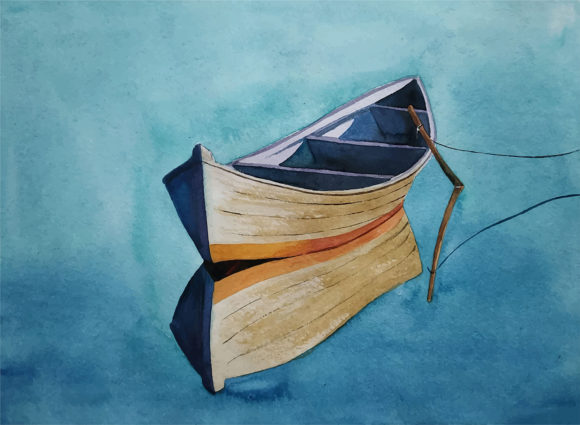
Artists and illustrators themselves benefit from creating these works. Boats offer a forgiving subject. The curved hull, the reflection on water, the suggestion of sails all lend themselves to the fluid nature of watercolor. Mistakes can become happy accidents. A run of pigment in the sky might become a cloud. A too-dark shadow on the hull can be softened into a reflection. Boats are also scalable. You can paint a tiny rowboat on a 3x3 inch card or a full-rigged schooner across a 20x30 inch sheet.
Home decorators and homeowners often seek out original or print watercolor hand drawn boat illustration for spaces that need a focal point without being loud. A bathroom with coastal accents, a hallway near the entryway, or a reading nook all benefit from the calm that watercolor brings. Unlike a poster or a print that looks mass-produced, a watercolor illustration carries texture and depth. Framed properly, it becomes a conversation piece that does not demand attention but rewards it.
Content creators and social media managers use these illustrations as background elements, story highlights, or blog post headers. A travel influencer might pair a watercolor boat image with a quote about adventure. A food blogger sharing a seafood recipe might use a boat illustration as a subtle divider between sections. The key is that the illustration adds visual variety without competing with the main content.
Practical considerations before choosing or commissioning
Not all watercolor hand drawn boat illustration works for every purpose. The style matters. Some artists work in loose, abstract washes where the boat is barely defined. Others prefer tighter, more detailed strokes with clear outlines. Before selecting an illustration, consider the context. A detailed boat works better for a menu where customers need to recognize the vessel. A loose, atmospheric boat works better for a meditation app or a spa.
Color palette is another factor. Watercolor boats often come in blues, teals, warm grays, and sandy beiges. But a boat painted in deep maroon and gold might be perfect for a fall wedding or a brand that wants a vintage feel. Do not assume that boat illustrations are limited to blue and white. The medium is flexible.
File format matters for digital use. A scanned watercolor hand drawn boat illustration at high resolution (300 dpi) works for print. For web, a compressed JPEG or PNG with a transparent background is useful. If you plan to use the illustration on a dark background, ask the artist if they can provide a version with the white paper removed. Not all watercolor scans handle that process well.
If you are commissioning original work, discuss the level of detail upfront. Some artists charge by complexity. A simple silhouette of a rowboat is less expensive than a detailed racing yacht with rigging and crew. Also discuss whether you need the illustration in a specific aspect ratio. A square boat illustration works well for social media, but a wider rectangle might be better for a website header.
Strengths and honest limitations
The greatest strength of a watercolor hand drawn boat illustration is its emotional resonance. It feels handmade, even when viewed on a screen. It can be romantic, serene, or adventurous depending on the color and composition. It ages well. Unlike trendy design styles that peak and fade, watercolor illustration has been valued for centuries and shows no sign of losing its appeal.
But there are limitations. Watercolor illustrations can be difficult to reproduce consistently across different materials. On fabric, the colors may appear muted. On uncoated paper, the ink can bleed and lose the original transparency. For large-scale signage, a watercolor illustration may need to be digitized and converted to vector for crispness at scale, which can strip away the very charm that made it attractive in the first place.
Also, watercolor hand drawn boat illustration is not ideal for every brand voice. A tech startup or a financial services firm would likely find the style too soft or nostalgic for their messaging. It works best where emotion, tradition, or natural beauty is part of the story.
Finally, the medium is slow. Commissioning an original watercolor takes time. The artist needs to paint, let the paper dry, scan or photograph the work, and possibly edit it. If you need a boat illustration for a campaign launching tomorrow, watercolor may not be the right choice. In that case, a digital brush that mimics watercolor might be a practical substitute, though it will lack the genuine irregularity of hand-painted work.
Observing how people respond
I have noticed something consistent when people encounter a watercolor hand drawn boat illustration in a public space. They slow down. They look longer than they would at a photograph or a graphic. Often, they touch the frame, as if the texture might somehow transfer through the glass. That physical response is rare in a digital age. It suggests that the illustration is doing something deeper than conveying information. It is creating a moment.
Whether you are using it to sell coffee, announce a wedding, decorate a hallway, or tell a story, the boat itself is not the point. The point is the water, the light, the sense of being underway. That is what a watercolor hand drawn boat illustration delivers better than almost any other visual style.