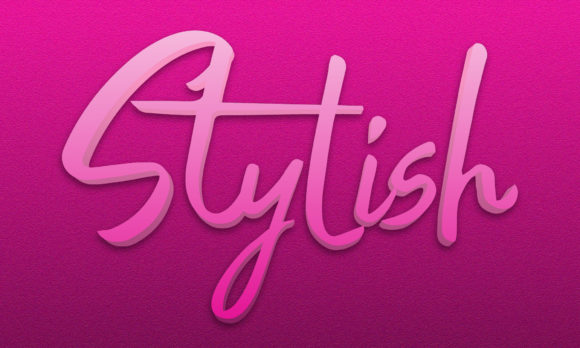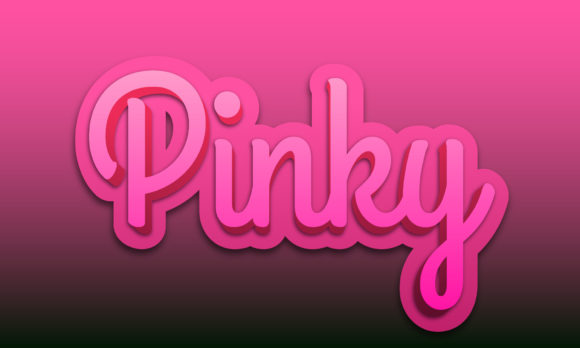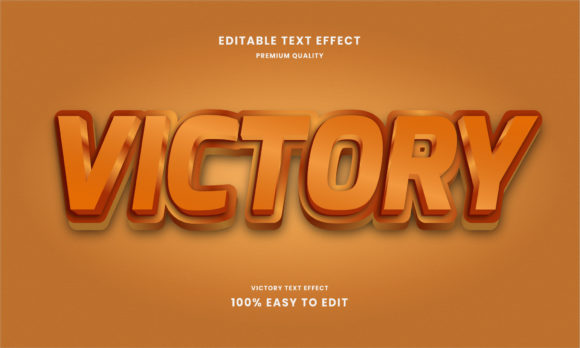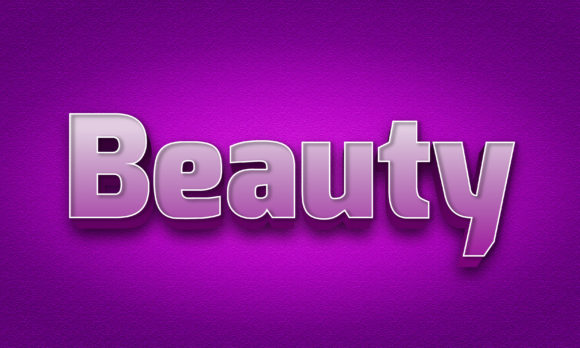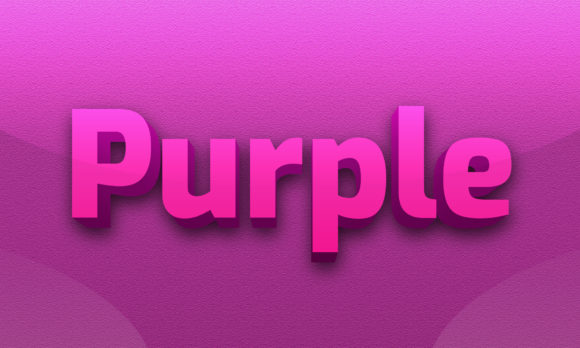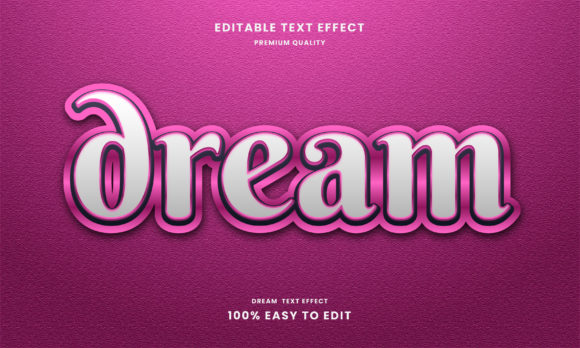
Dream 3d Text Effect: Bringing Depth and Dimension to Digital Design
Typography has always been more than just letters on a screen. It conveys tone, hierarchy, and personality. But in a crowded digital landscape, flat text often struggles to hold attention. Enter the Dream 3d Text Effect—a design approach that adds realistic depth, shadow, and perspective to letterforms. This technique transforms ordinary words into immersive visual elements that feel almost tangible. Whether you're building a landing page, crafting a social media post, or designing a logo, understanding how to use 3D text effectively can elevate your work from functional to memorable.
Why Three-Dimensional Typography Matters Now
In recent years, digital design has swung between extremes: flat minimalism and rich, textured realism. While clean, two-dimensional interfaces remain popular for user experience, there is a growing hunger for visual impact. Brands want to stand out in feeds, search results, and advertisements. The Dream 3d Text Effect sits at this intersection—it adds drama without sacrificing readability. It gives designers a way to create focal points that naturally draw the eye, making it ideal for headlines, call-to-action buttons, and hero sections.
Moreover, modern design tools have democratized 3D effects. What once required a full animation suite can now be achieved in a few clicks inside applications like Photoshop, Illustrator, or even browser-based editors. This shift means entrepreneurs, marketers, and hobbyists can experiment with 3D typography without hiring a specialist. As a result, more content features depth and shadow, raising the baseline expectation for what “good” design looks like.
Evolution of 3D Text: From Blocky to Believable
The earliest 3D text effects date back to early computer graphics—think chunky extruded letters in PowerPoint or basic isometric titles. Those effects often looked artificial because they lacked subtle lighting, rounded edges, and environmental reflection. Today, the Dream 3d Text Effect builds on advances in rendering algorithms and material simulation. Modern versions can mimic metal, glass, plastic, or even soft fabric. Shadows fall naturally, highlights shift with imaginary light sources, and bevels add sophistication.
This evolution mirrors broader changes in user expectations. People accustomed to high-quality visuals in movies and games no longer tolerate amateurish text effects. The bar has risen. Designers now need to consider not just the shape of the letters but also the interplay of light, texture, and background. A well-executed Dream 3d Text Effect feels like it belongs in the scene, not like a sticker pasted on top.
How the Dream 3d Text Effect Fits Into Modern Workflows
One reason this effect has gained traction is its adaptability across platforms. On a website, a 3D headline can act as a visual anchor, instantly communicating brand energy. In a social media carousel, it can make a statistic or quote leap off the screen. For presentations, it helps emphasize key points without relying on bullet lists. Even in email marketing, a subtle 3D text treatment can increase click-through rates by creating curiosity.
However, practical application requires balance. Overusing 3D text can overwhelm readers and slow page load times if not optimised. The most effective implementations reserve the effect for one or two elements per composition. For example, a product name in a hero banner, a single word in a testimonial, or a short tagline on a poster. When done well, the Dream 3d Text Effect becomes a signature style rather than a gimmick.
Tools and Techniques for Achieving Believable Depth
Getting started with 3D text today is easier than ever. Many designers rely on layer styles within Photoshop—adding inner shadow, bevel, and contour—to create a faux-3D look. For true three-dimensional geometry, tools like Blender (free) or Cinema 4D can extrude text, apply materials, and render with realistic lighting. The key is to start with a clear concept: what material should the text feel like? Is the light source coming from above left or right? Should the text cast a drop shadow or float?
- Photoshop / Affinity Photo: Use layer styles for quick mockups. Experiment with bevel depth, gloss contours, and global light angle.
- Blender: Ideal for full 3D scenes. Convert text to mesh, apply a metal or glass shader, and use an HDRI environment for reflections.
- Online generators: Tools like Cool Text or MockoFUN offer instant Dream 3d Text Effect templates—great for non-designers needing fast results.
- Vector-based: In Illustrator, use the 3D Extrude & Bevel effect, then expand the result for further manipulation.
Regardless of the tool, the most important step is to iterate. Test different lighting angles, background contrasts, and letter spacing. A common mistake is to make the effect too deep, which can distort readability. Subtlety often yields more professional results.
Practical Implications for Creators and Businesses
For entrepreneurs and marketers, adopting the Dream 3d Text Effect can directly impact brand perception. A polished 3D headline suggests investment in quality and attention to detail. It signals that a company cares about how it communicates. In crowded marketplaces like Etsy or Amazon, product images with 3D text often perform better because they stand out among flat typography.
Freelancers and agencies also benefit. Offering 3D text creation as a service—whether for logos, video titles, or packaging mockups—adds a premium offering. Clients are often willing to pay more for visual assets that look modern and tactile. Moreover, as social media platforms prioritize video and motion, adding a subtle rotation or hover effect to 3D text can greatly increase engagement.
For educators and bloggers, the effect serves a dual purpose: it captures attention while also demonstrating creativity. A tutorial on creating a Dream 3d Text Effect can attract beginners and intermediate learners, growing an audience. The shareability of such content—especially on platforms like Instagram and Pinterest—means the effect itself can become a traffic driver.
Common Pitfalls and How to Avoid Them
Despite its appeal, the Dream 3d Text Effect is not without risks. Over-decoration is the most frequent issue. When every word is extruded or shadowed, the message gets lost in the noise. Another pitfall is inconsistent lighting—if the text suggests a light source from the left but the background image has shadows on the right, the effect breaks realism. Similarly, poor contrast between text and background can make the words hard to read, defeating the purpose.
To stay effective, follow these guidelines:
- Use in moderation: Limit 3D effects to one or two elements per layout.
- Match lighting: Keep the light angle consistent between all 3D elements and any background imagery.
- Prioritize legibility: Choose a clean sans-serif or a chunky serif to avoid detail loss in the extrusion.
- Optimize for performance: If using animated 3D text on a website, compress textures and consider using CSS 3D transforms for lighter weight.
- Test on different devices: What looks great on a desktop monitor may become muddy on a mobile screen—check contrast and size.
Looking Ahead: The Role of 3D Typography in an AI-Enhanced World
As generative AI tools continue to improve, creating a Dream 3d Text Effect will become even more automated. We are already seeing AI models that can generate text images with complex lighting and perspective from a simple prompt. However, the human touch—choosing the right context, balancing creativity with clarity, and aligning the effect with brand values—remains irreplaceable. Designers who understand the principles behind 3D typography will be able to guide AI outputs effectively, rather than being replaced by them.
Moreover, the trend toward immersive experiences—augmented reality (AR), virtual spaces, and interactive web—will demand text that feels part of the environment. The Dream 3d Text Effect is a stepping stone toward that future. By mastering it now, creators prepare themselves for a world where text is no longer flat but lives in three dimensions alongside other objects.
Final Thoughts: Start With a Single Word
If you have never tried creating a 3D text effect, begin small. Pick one impactful word that represents your brand or project. Experiment with a metallic finish, a soft drop shadow, or a subtle bevel. See how it changes the emotion of the design. You might be surprised by how much depth a single letter can convey. In a time when every pixel competes for attention, the Dream 3d Text Effect offers a way to stop the scroll, spark curiosity, and leave a lasting impression. Use it wisely, and your text will do more than inform—it will inspire.